
2025 Conference
2025 PowerPoints

Evidence-Based Practices in Pretrial: Strategies For Effective and Fair Decision-Making
This year, Bucks County Adult Probation/Parole Department’s Officer Michael J. Phillips gave the Pennsylvania Pretrial Services Association a deep dive into understanding how establishing and applying evidence-based practices in the pretrial setting works for their department. Officer Phillips explained how the use of risk and needs assessments, targeted interventions to combat relevant criminogenic needs, enhancing internal motivation for change, and behavioral practices drove a model for success in his department. Officer Phillips stressed the importance of evaluating the success of evidence-based practices and how his department implements required training to further advance the skill level of officers within his department to utilize these skills in the supervision of defendants under pretrial supervision within his county.
- 2024 study comparing the success rates of Bucks County’s Pretrial Supervision and Bail Master Release Program
- Pretrial Supervision – 69.5% Success
- Bail Master Release Program – 20% Success
- The difference?
- Application of Evidence-Based Practices!
WHAT ARE THE GOALS OF PRETRIAL SUPERVISION?
Appearance for court and no new arrests.
- We must target the needs that are likely to get a person arrested again
- By assessing and targeting defendants’ criminogenic needs, we can reduce the likelihood of recidivism.
- Interventions must be very focused and target the needs that are related to risk.
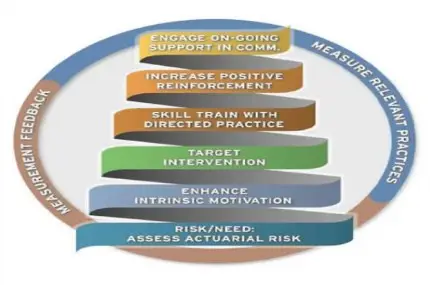
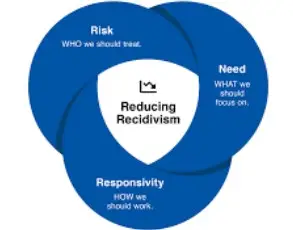
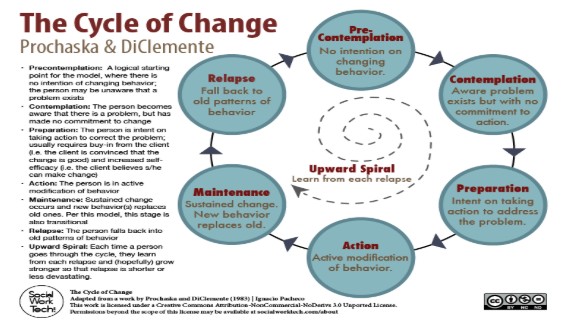
RISK AND NEED ASSESSMENTS: RESPONSIVITY PRINCIPLE
- We must target the needs that are likely to get a person arrested again
- By assessing and targeting defendants’ criminogenic needs, we can reduce the likelihood of recidivism
- Interventions must be very focused and target the needs that are related to risk
- Responsivity – barriers that may impact the defendant’s response to interventions
- Defendants respond differently to treatment strategies
- Defendants adjust differentially to correctional environments
- Easiest to think of as “barriers” to treatment
- Assessment of responsivity is important to maximize benefits of treatment
- Specific Responsivity
- Individual barriers to services
- Non-criminogenic needs
- Motivation
- Childcare
- Support for change
- Race/ethnicity
- General Responsivity
- Treatment strategies that will reduce recidivism across defendants
- Thinking for a Change (T4T)
- Effective Practices in Community Supervision Interventions
- Carey Guides
- Treatment strategies that will reduce recidivism across defendants